

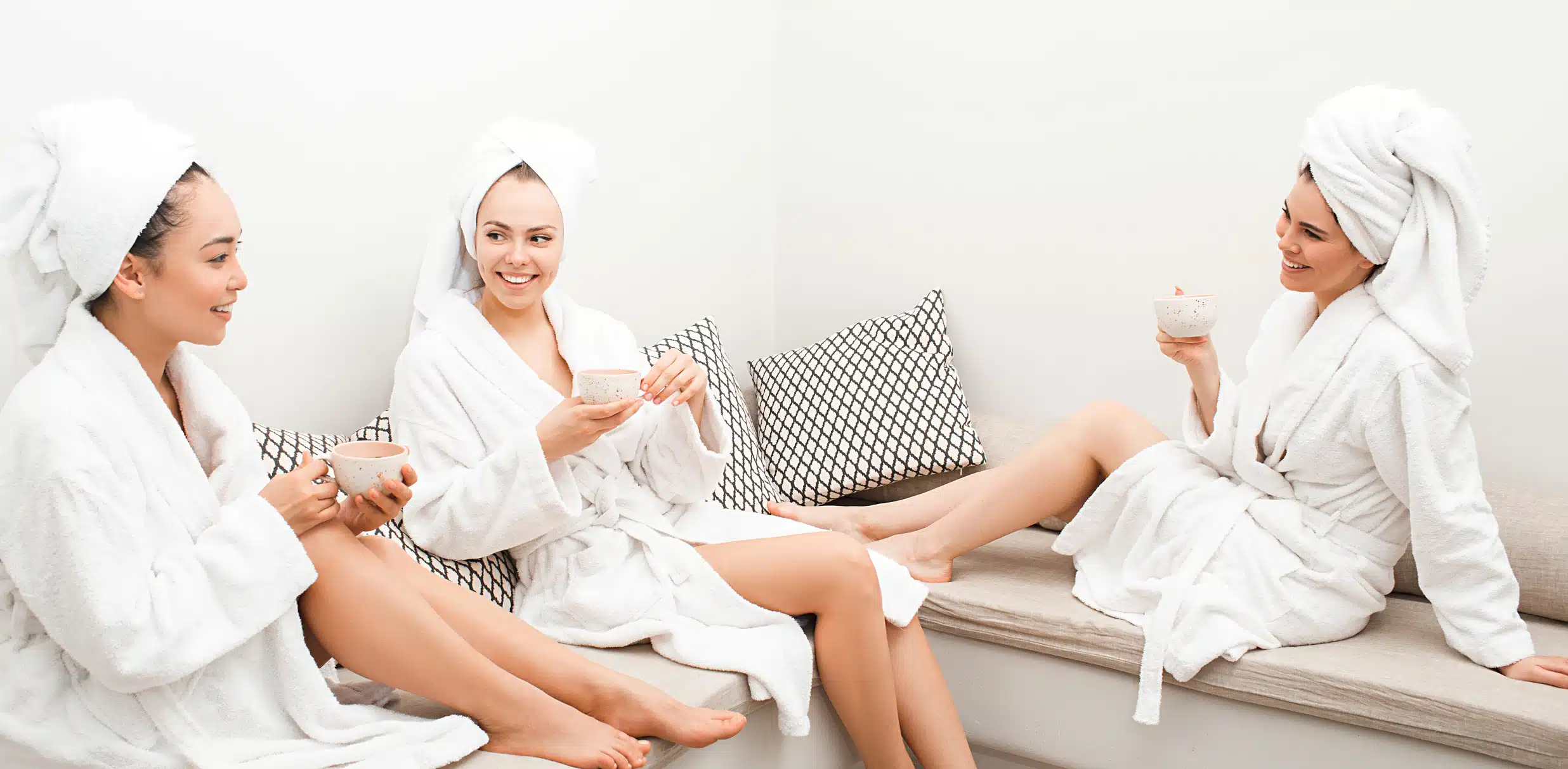
A new year often invites reflection — and for many women over 40, it also invites change. Not because something is “wrong,” but because our bodies are asking for something different.
Perimenopause has a way of forcing us to slow down, listen more closely, and rethink habits we may have ignored for years. For me, this season has become less about fixing symptoms and more about improving quality of life — mentally, physically, and emotionally.
From Hormones to Healing: My Holistic Approach to Perimenopause
Toward the end of 2025, I found myself deep in research mode — trying nearly everything that claimed to ease perimenopausal symptoms. Hot flashes, restless nights, brain fog, mood changes, vaginal discomfort — I wanted answers, but more importantly, I wanted a routine I could realistically maintain.
What I learned quickly is that there’s no single solution. Healing during perimenopause isn’t about one supplement or one habit — it’s about building a lifestyle that supports your nervous system, hormones, and sense of self.
I started with movement.
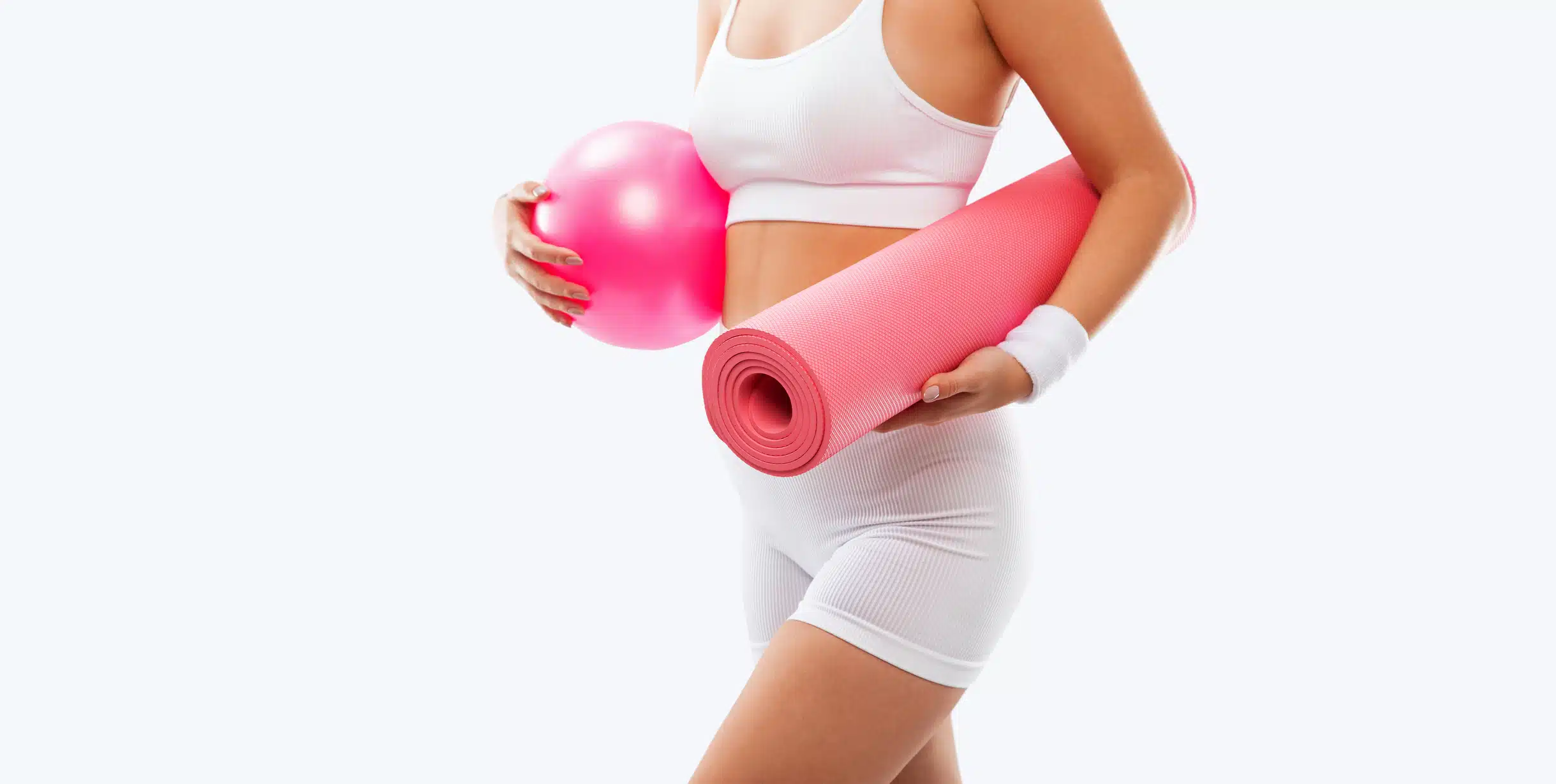
Instead of intense workouts that left me depleted, I chose exercises that strengthened both my body and my mind. Pilates and yoga became non-negotiables. They helped reconnect me to my core, improve posture, calm my nervous system, and most importantly, made me feel grounded again.
What we often don’t realize is that one of the biggest components of navigating perimenopause is mindset. The courage to keep going. The willingness to adapt. The belief that life doesn’t stop at 40 — it evolves.
We are far too young, and life is far too rich, to “throw in the towel” at this stage.
Becoming the Woman This Season Is Asking Me to Be
In many ways, this transition has quietly shaped me into the woman I was always meant to become.
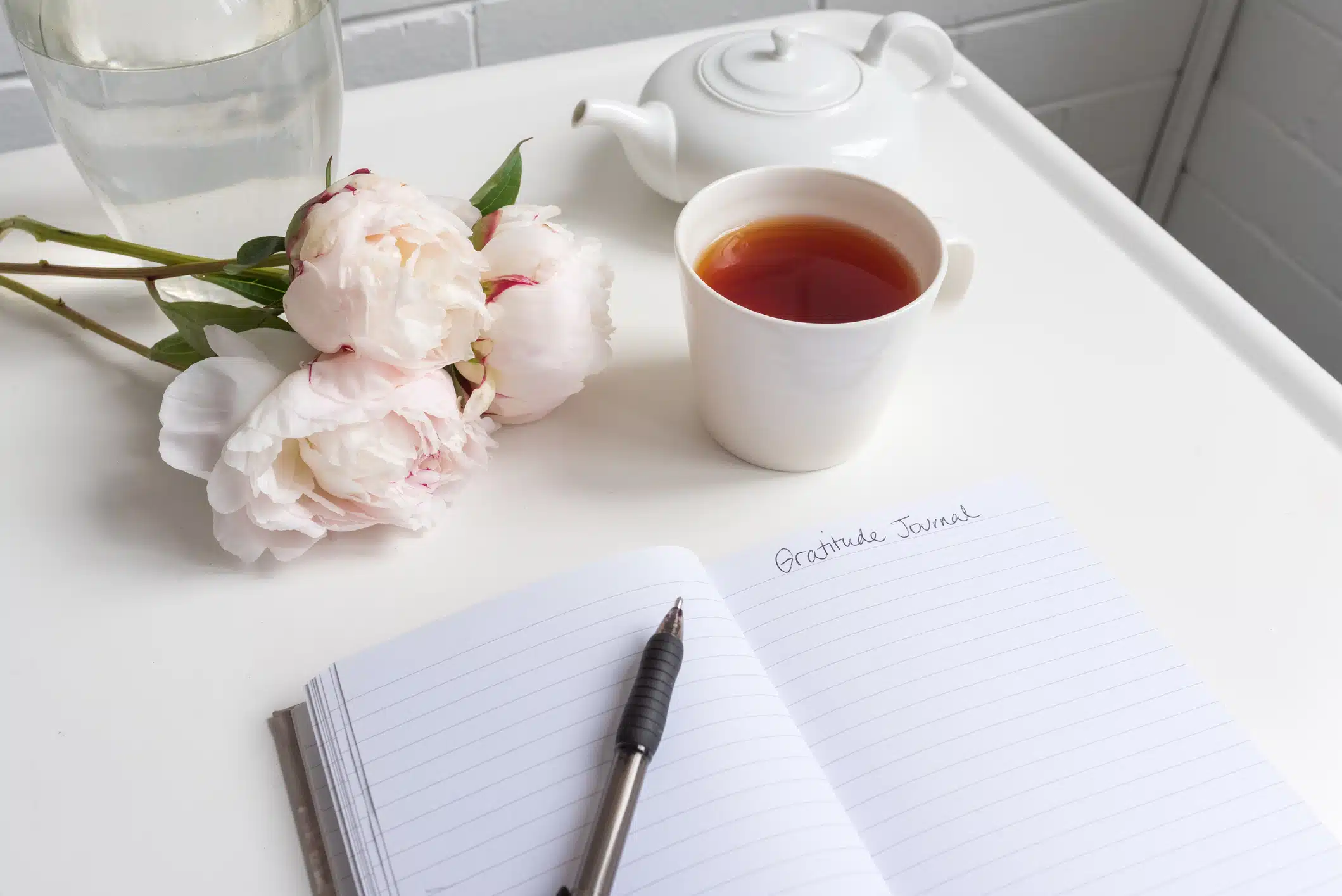
I now wake up with intention — something I lacked for a long time. My mornings are slower and more deliberate: a warm cup of herbal tea, calming music, and my journal.
Journaling used to feel like a nuisance, but I’ve learned it’s one of the most therapeutic practices I’ve adopted. It clears mental clutter, helps regulate emotions, and sets the tone for the day ahead.
One of my biggest struggles, however, has been social media.
I find myself doom-scrolling more than I’d like, and I’m very aware of how unproductive — and stressful — it can be. Comparison creeps in easily, especially when looking at younger women and remembering how effortless self-care once felt in my twenties.
Instead of forcing myself to quit cold turkey, I’ve been working on replacing the habit. Pinterest has become a gentler alternative for me — a space for positive quotes, “soft girl era” inspiration, book recommendations, and vision boards. It feels more intentional, less triggering, and more aligned with the mindset I’m trying to cultivate.
Skincare as Ritual, Not Chore
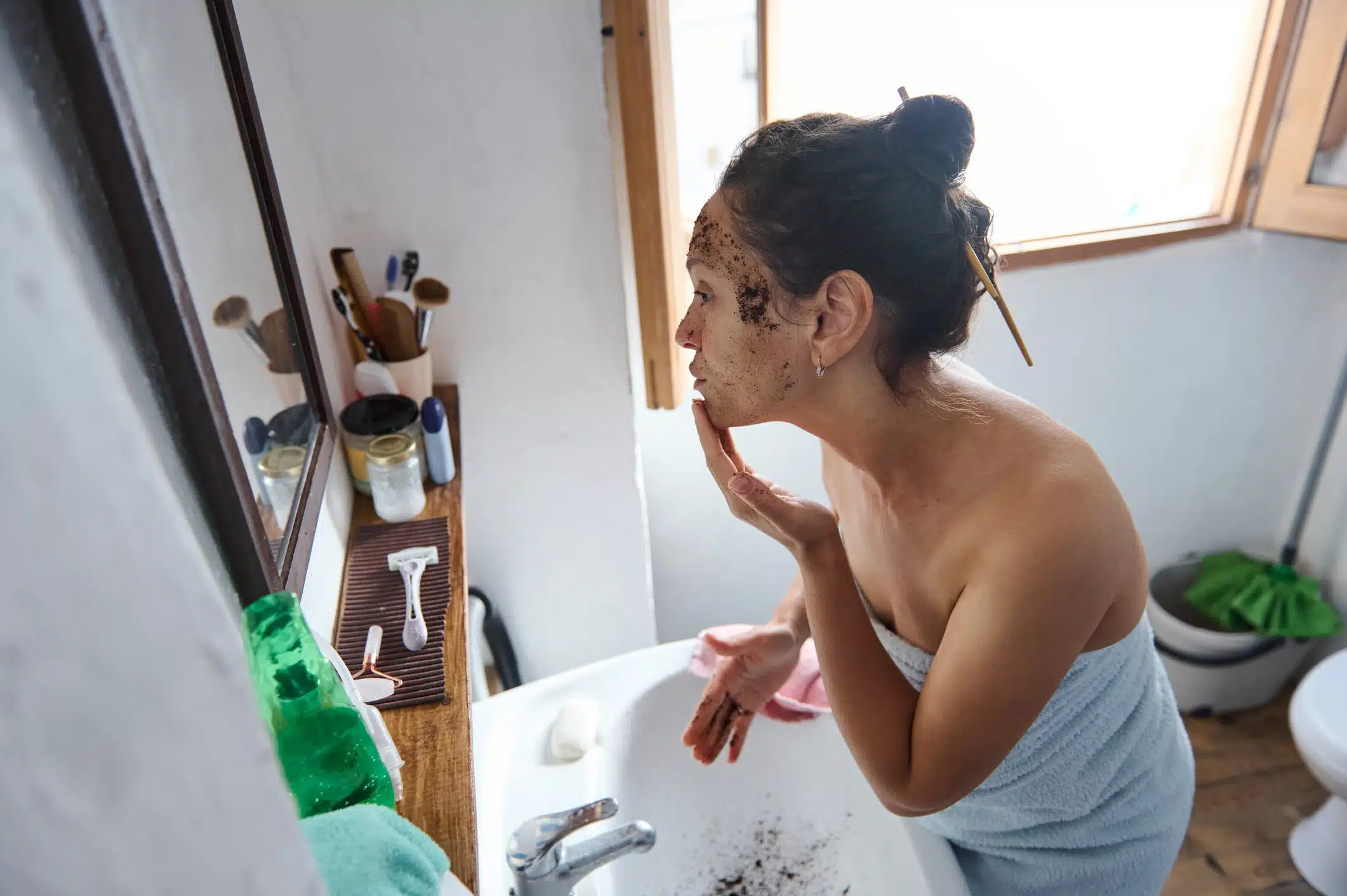
A consistent skincare routine has also become a key part of my day — both morning and night. I won’t pretend it’s always easy. At the end of a long day, it’s tempting to skip steps or go to bed with makeup still on. But skin doesn’t forget neglect.
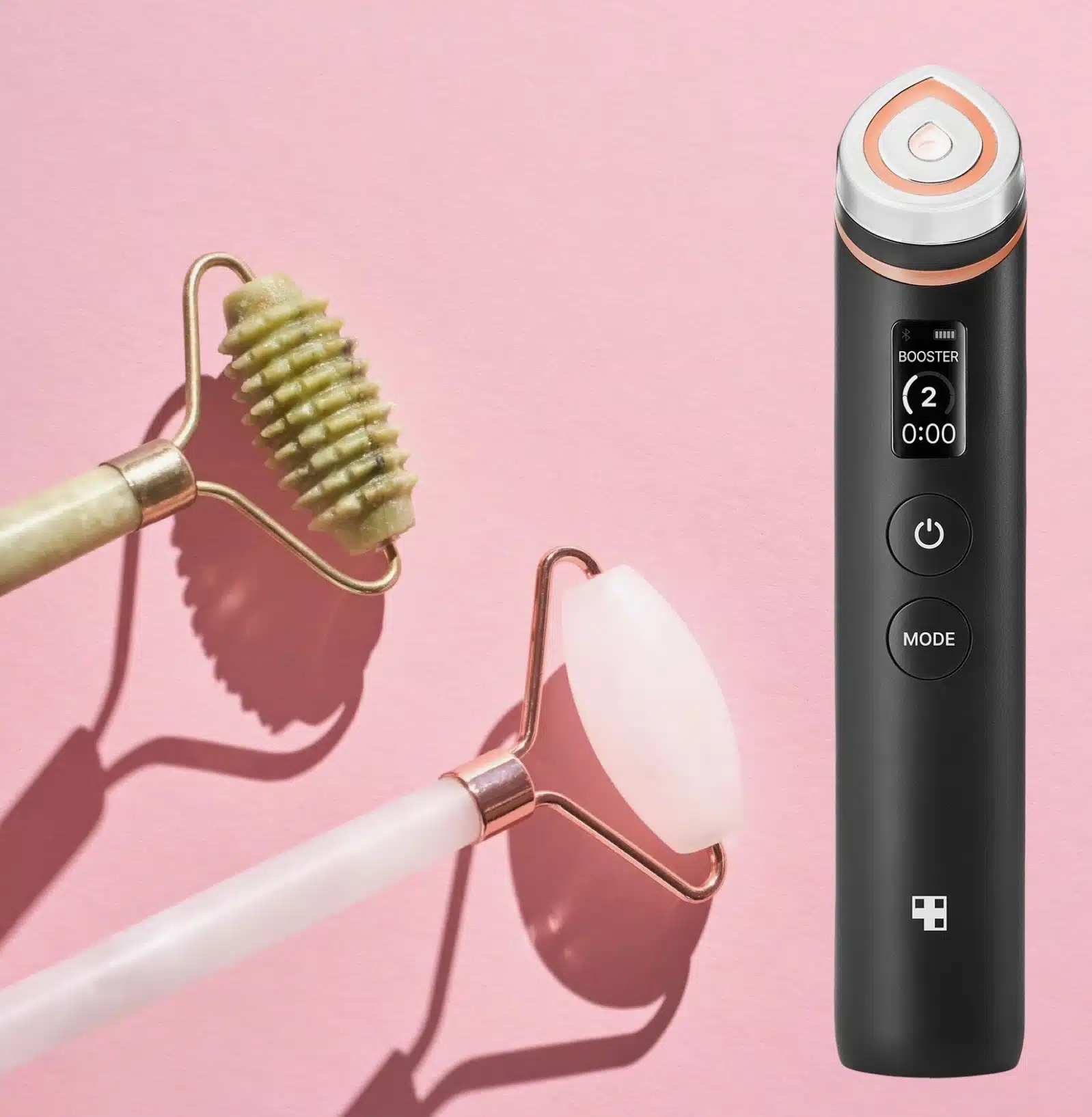
Cleansing properly, nourishing the skin, and using supportive tools like gua sha and my Medicube Booster Pro have turned skincare into a ritual rather than a task. It’s not about vanity — it’s about care, circulation, and honoring my body through change.
Supplements & Hormone Therapy: The Part No One Warns You About
This is the phase of perimenopause where things can start to feel overwhelming — and honestly, expensive.
Supplements and hormone therapy can play a huge role in easing symptoms, but it often takes trial and error to figure out what actually works for your body.
I’ll be very transparent here: I’ve tried a lot. I’ve spent hundreds, if not thousands, of dollars experimenting, learning, and adjusting. At this point in my journey, I take seven supplements daily along with one hormonal treatment (estrogen cream). None of this happened overnight — it was layered slowly, intentionally, and based on how my body responded.
Why Feminine Health Becomes Non-Negotiable After 40
Feminine health becomes everything during this transition.
As estrogen levels fluctuate and decline, the vaginal ecosystem changes. This can affect:
• Vaginal pH
• Beneficial bacteria (microbiome balance)
• Tissue thickness and elasticity
Because of this, many women over 40 experience:
• Chronic UTIs
• Yeast infections
• Bacterial vaginosis (BV)
• Vaginal dryness
• Odor changes
• Discomfort with intimacy or even daily movement
These issues are not hygiene failures — they are hormonal. Reduced estrogen makes vaginal tissue thinner, drier, and more vulnerable to irritation and infection.
My Core Vaginal Health Supplements
To support vaginal balance and moisture, I’ve been consistent with three daily supplements that have made a noticeable difference for me:
• URO Vaginal probiotic Capsules – to support healthy vaginal flora and pH
• Vaginal moisture support Capsules – to improve hydration and tissue comfort from within
I also take Lubracil, which contains sea buckthorn oil as its key ingredient.
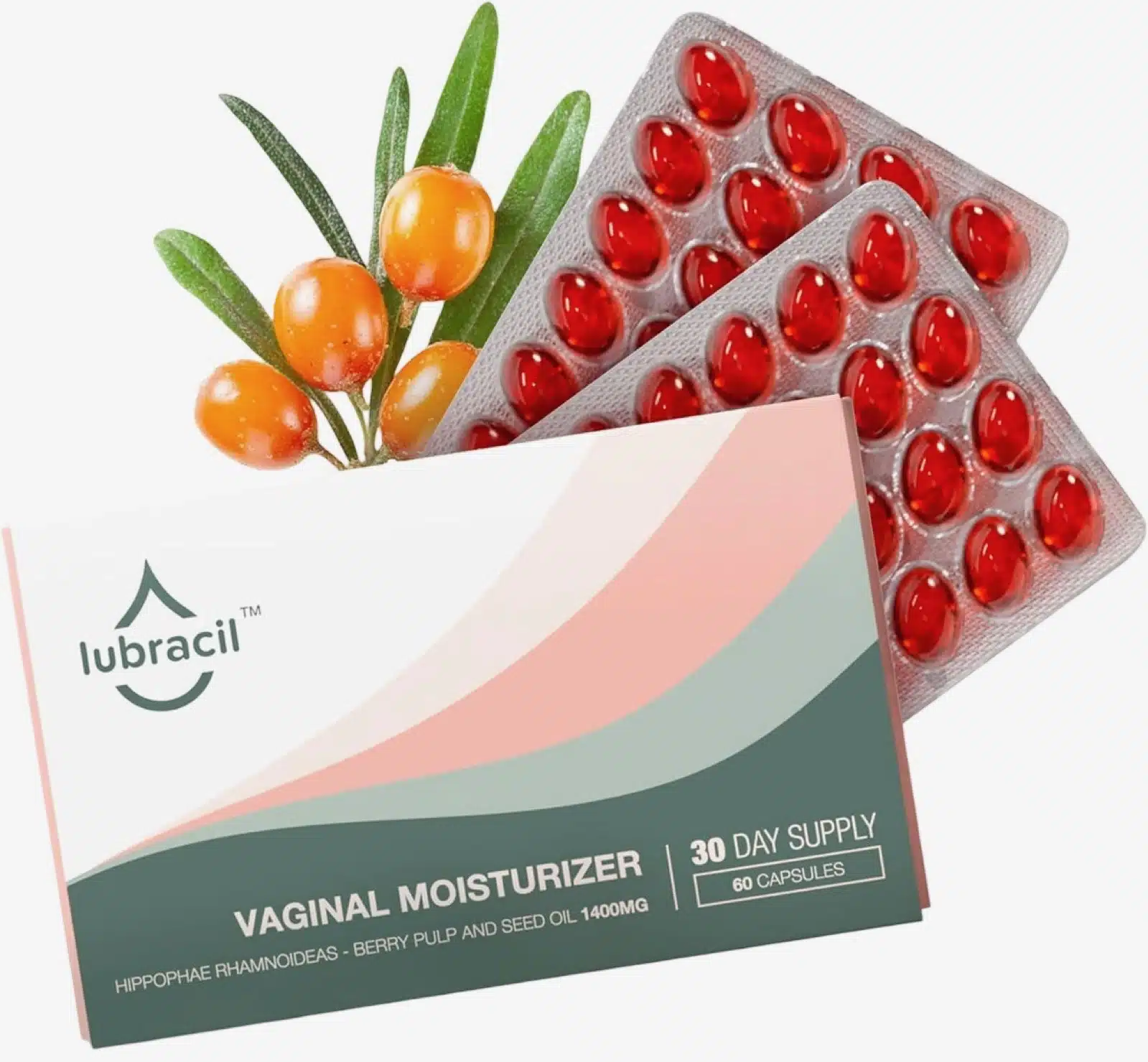
Sea buckthorn oil doesn’t get much mainstream attention, but it’s been used for centuries in traditional medicine for skin, mucosal tissue, and hormonal support — making it especially relevant during perimenopause.
What Is Sea Buckthorn Oil?
Sea buckthorn oil comes from the berries (and sometimes seeds) of the Hippophae rhamnoides plant. What makes it unique is that it naturally contains:
• Omega-7
• Omega-3, 6, and 9 fatty acids
Omega-7 is especially important because it supports hydration and tissue integrity, which becomes critical as estrogen declines.
Since adding these into my routine, I’ve avoided the recurring issues I mentioned above. For me, they’ve become foundational rather than optional.
What You Wash With Matters
This is something that doesn’t get talked about enough.
What you use to cleanse your intimate area can either support or disrupt vaginal pH. I personally use a Summer’s Eve fragrance-free, pH-balanced cleansing wash that is:
• Clinically tested
• Hypoallergenic
• Designed to maintain a healthy vaginal pH
Over-cleansing, harsh soaps, or fragranced products can actually make issues worse — especially during perimenopause.
Hormone Therapy: Why I Added Estrogen Cream
I did briefly try menopause vitamin gummies, but I didn’t give them enough time to fully evaluate results because I started topical estrogen cream shortly after.
I added estrogen therapy primarily to address:
• Weight gain
• Fatigue
• Hot flashes
• Vaginal tissue thinning
For me, estrogen became an important piece of the puzzle — but it wasn’t the only solution.
Red Light Therapy for Vaginal & Pelvic Health
For additional support — especially for thinning vaginal walls, moisture, pelvic floor health, and natural lubrication — I incorporated at-home red light therapy the vFIT Plus Wellness Device by Halle Berry

I use this device that allows:
• Short sessions (about 3 minutes)
• Every other day use
• Treatments in the comfort of my home
While the upfront cost felt high, similar in-office treatments can cost hundreds of dollars per session, so long-term it actually saves money. The results have been noticeable for me, and consistency has been key.
How I “Stack” My Supplements (This Matters)
One thing I learned quickly: don’t take everything at once.
Here’s how I space mine:
• Morning: Vaginal moisture supplement
• Evening (with food): Lubrication support (Lubracil)
When first starting these supplements, some women may notice a small amount of discharge — this is common and usually balances out within a couple of weeks as the body adjusts.
For me, the improvement in moisture, elasticity, and comfort has been significant — and honestly, I prefer this approach over messy vaginal Estrogen creams.
These supplements work from the inside out, helping improve:
• Vaginal wetness
• Elasticity
• Dryness
• Irritation
“Extra” Support (Optional, Not Necessary)
To be completely honest — I also take a probiotic gummy for a few days after my period. Is it necessary? Probably not. But it makes me feel balanced and clean, and sometimes peace of mind is part of holistic health too.
My Bigger Goal With This Section
My goal with sharing all of this isn’t to overwhelm — it’s to normalize how much care, patience, and experimentation this phase of life can require.
Perimenopause isn’t about “fixing” your body. It’s about supporting it so you can feel comfortable, confident, and present in your life.
Supplements I Add to My Protein Smoothies
Lastly, there are three simple additions I blend into my protein smoothies:
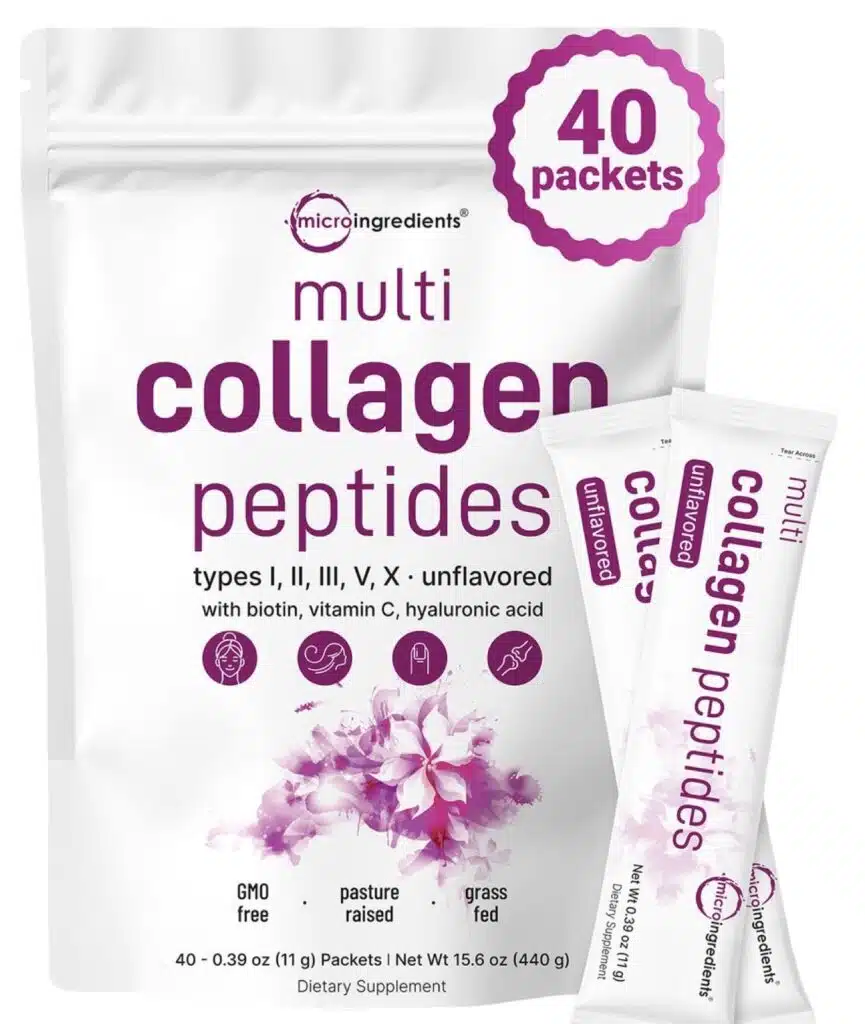
• Collagen – for skin, joints, and connective tissue
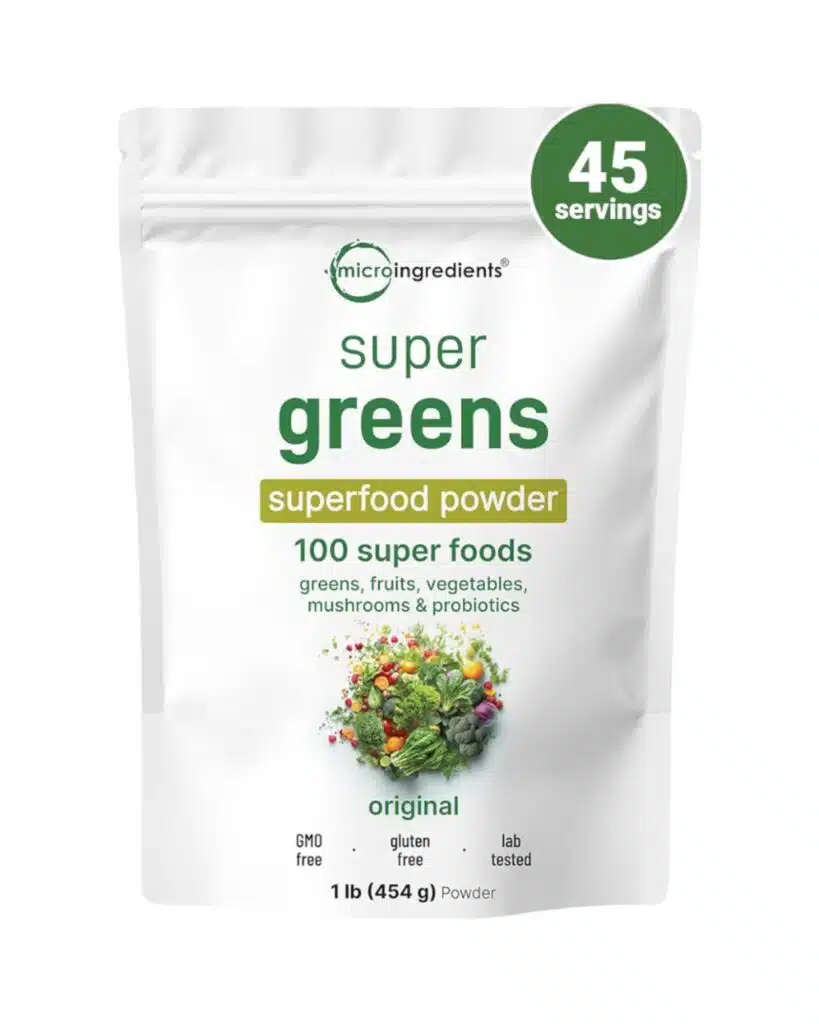
• Greens powder – for micronutrient support
• Creatine – for muscle strength, energy, and metabolism
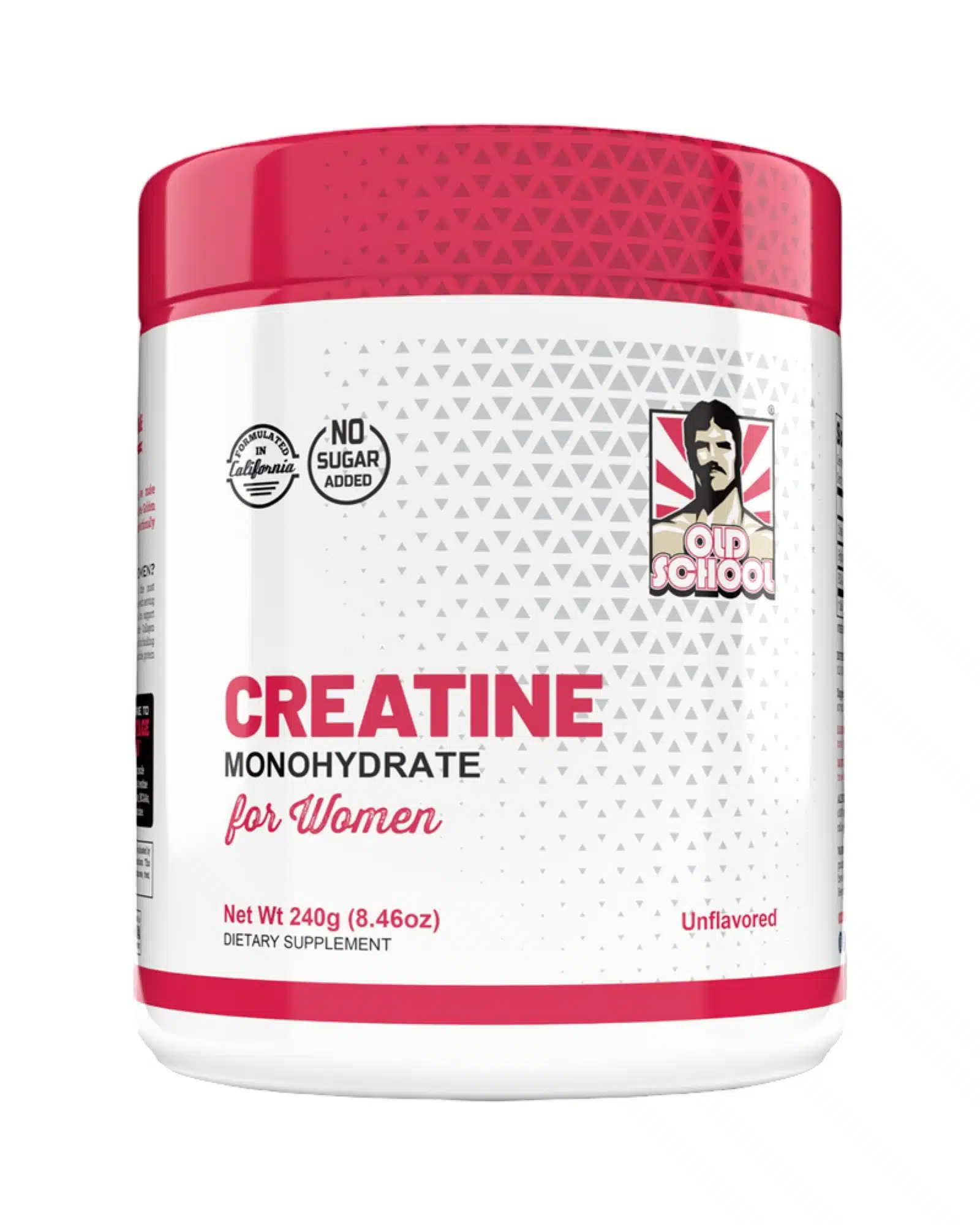
Creatine is often thought of as a workout supplement, but it also supports the brain’s natural energy systems. During times of hormonal change, elevated stress, or poor sleep, mental energy can feel depleted, showing up as brain fog, low focus, or mental fatigue.
By helping support cellular energy in the brain, creatine may gently improve mental clarity and focus, especially when cortisol is running high and the nervous system feels overstimulated. Rather than acting as a stimulant, creatine works quietly in the background, supporting mental endurance and clarity over time.
For overall wellness and cognitive support, 3–5 grams of creatine monohydrate daily, taken consistently with adequate hydration, is commonly used.
These support overall vitality and work quietly in the background alongside everything else.
A Gentle Note on Sharing
As important as it is to seek support during this transition, it’s equally important to choose where and with whom we share our experiences. Perimenopause can feel deeply personal, and for many women, discussing symptoms openly—especially with male partners—may feel uncomfortable or even disruptive to intimacy.
There is value in protecting mystery and keeping the spark alive. Not every physical or emotional shift needs to be shared within a romantic relationship, particularly when it comes to changes that can be misunderstood or feel heavy. Intimacy often thrives in softness, confidence, and presence—not constant explanation.
For this reason, many women find it more supportive to share openly with trusted peers, women’s circles, or support groups specifically created for this stage of life. These spaces allow honesty, validation, and understanding—without compromising desire, connection, or feminine energy at home.
This transition doesn’t have to be lonely, but it also doesn’t have to be public. Choose support that feels safe, empowering, and aligned with the life and relationships you want to nurture.
If this piece resonated with you, I invite you to sign up for my newsletter, where I share ongoing reflections, wellness insights, and tools that support this season of life with intention and grace.
If you have questions, thoughts, or simply want to share your own experience, you’re always welcome to reach out at audrey@labeautyguide.com. Thoughtful conversations matter, and you don’t have to navigate this transition alone.
Disclosure: Some of the products mentioned in this post may include affiliate links. This means I may earn a small commission at no additional cost to you. I only share products I genuinely use, trust, and believe add value to a holistic wellness routine.
Thank you for being here.